

Most Common Pickleball Injuries and How to Avoid Them

2023 marks the 57th anniversary of America’s fastest-growing sport, pickleball. With over 36 million pickleball players in the United States, Illinois ranks in the top 10 for the number of pickleball locations with 396.
As the weather warms up this spring and more people hit the pickleball court, CORE Orthopedics and Sports Medicine wants to help you avoid serious injuries.
Are Pickleball Injuries Common?
Pickleball is the combination of tennis, badminton, and ping-pong. Easy to learn and low-impact, the sport has quickly become a popular activity for people 55 and older (52% of core pickleball players are 55 and older).
The benefits of pickleball go beyond just the physical: recent studies have revealed that the socialization of pickleball contributes to improved life satisfaction. Pickleball has been shown to lower levels of depression in older adults.
With the risk of social isolation increasing as people get older, it’s crucial to keep pickleball players healthy and on the court.
One of the most quoted studies identified 19,000 pickleball injuries in 2017, with 90% of them affecting people aged 50 and older. 85% of all pickleball-related hospital visits were among players 60 and older.
Before the next time you step onto the pickleball court, take a look at some of the most common pickleball injuries and our how-to-guide on how to prevent them from ruining your spring.
Common Pickleball Injuries
Pickleball Elbow
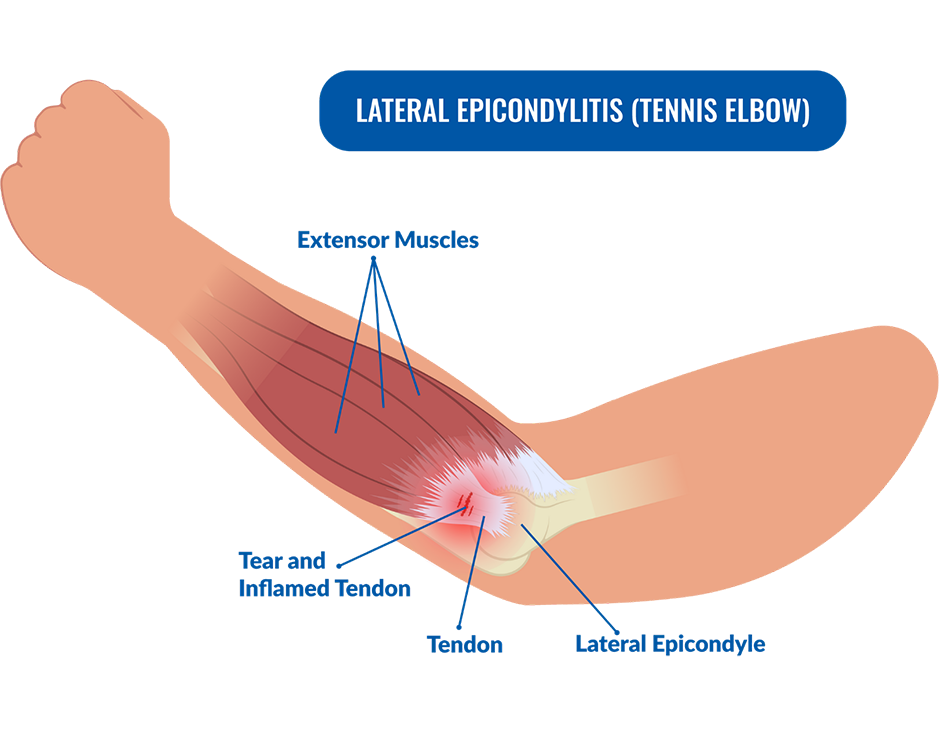
Pickleball elbow is a type of overuse injury that affects the elbow joint, specifically the tendons and muscles that attach to the lateral epicondyle (outer bony prominence) of the humerus bone in the upper arm.
The medical term for this is lateral epicondylitis, also commonly referred to as tennis elbow (and now pickleball elbow).
Lateral epicondylitis occurs when the tendons and muscles that extend the wrist and fingers become inflamed due to repetitive or forceful movements, causing pain and tenderness in the outer elbow.
Often, repetitive backhand shots with poor mechanics result in elbow pain, but this condition can result from any activity that involves repetitive gripping, twisting, or lifting.
Symptoms of pickleball elbow include pain and tenderness on the outer elbow, weakness in the wrist and hand, and limited range of motion in the elbow joint.
Achilles Tendonitis

Achilles tendonitis occurs when the Achilles tendon, which connects the calf muscles to the heel bone, becomes inflamed and irritated.
This condition can result from overuse or repetitive stress on the Achilles tendon. Pickleball movements such as quick side steps, jumping, and pivoting put a lot of strain on the Achilles tendon.
Over time, this can lead to small tears in the tendon, causing pain, swelling, and stiffness in the affected area.
Harris said, “A good rule of thumb is to stop your forward movement and plant your feet when your opponent is about to make contact with the ball. Unnecessary foot movement can lead to falls and injury.”
Symptoms of Achilles tendonitis include pain and stiffness in the back of the ankle, swelling, and tenderness in the affected area.
In severe cases, the Achilles tendon may rupture, which requires immediate medical attention.
Rotator Cuff Injury

The rotator cuff is a group of muscles and tendons that attach the shoulder blade to the upper arm bone and help to stabilize the shoulder joint.
Rotator cuff injuries occur when these muscles or tendons become strained or torn, which can cause pain, weakness, and limited range of motion in the shoulder.
A rotator cuff injury happens in pickleball due to repetitive overhead motions such as swiping or slicing the ball.
Rotator cuff injuries are the most common pickleball injuries, especially for players playing at a high intensity or for extended periods. Poor form or technique can also contribute to the risk of injury.
Be aware that common rotator cuff injury symptoms include pain or tenderness in the shoulder, weakness or difficulty lifting your arm, limited range of motion, popping or clicking sensation when moving your arm, and shoulder stiffness.
How Can You Avoid Pickleball Injuries?
Stretch
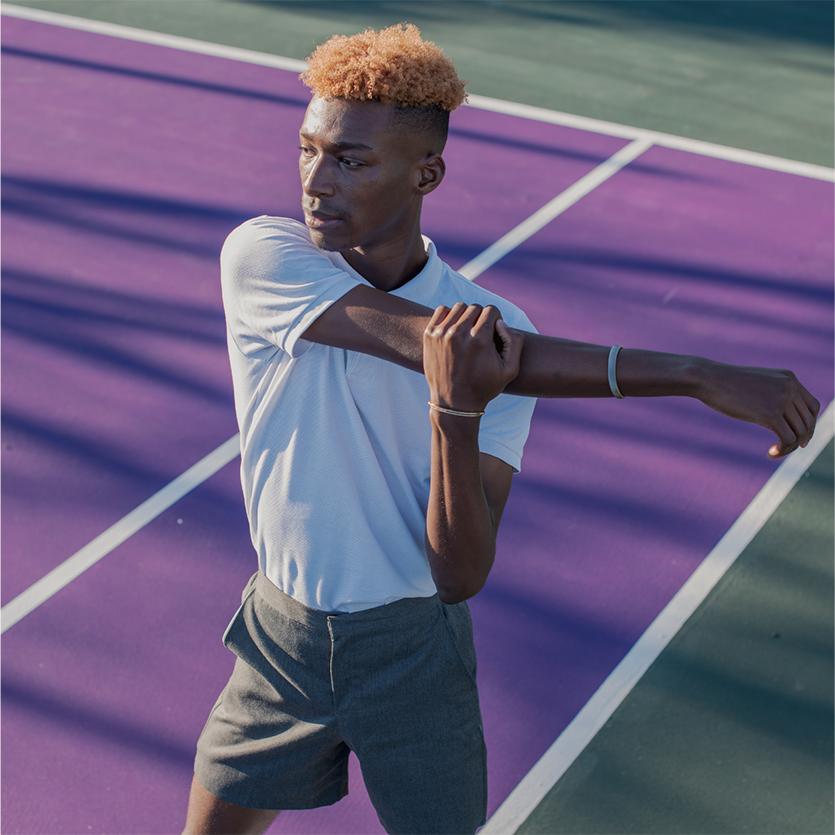
Warm-up exercises increase blood flow to the muscles, helping reduce the risk of muscle strains or tears. Additionally, stretching improves flexibility and range of motion, making it easier to move around the court and reach for shots during the game.
For the legs, basic stretches like lunges or leg swings loosen up the muscles and prepare them for the explosive movements required in pickleball.
Hip stretches like hip circles or figure-four stretches improve mobility and reduce the risk of hip injuries.
Shoulder and arm stretches like arm circles, or shoulder rotations work the upper body and prepare it for overhead shots and other movements on the court.
R.I.C.E.
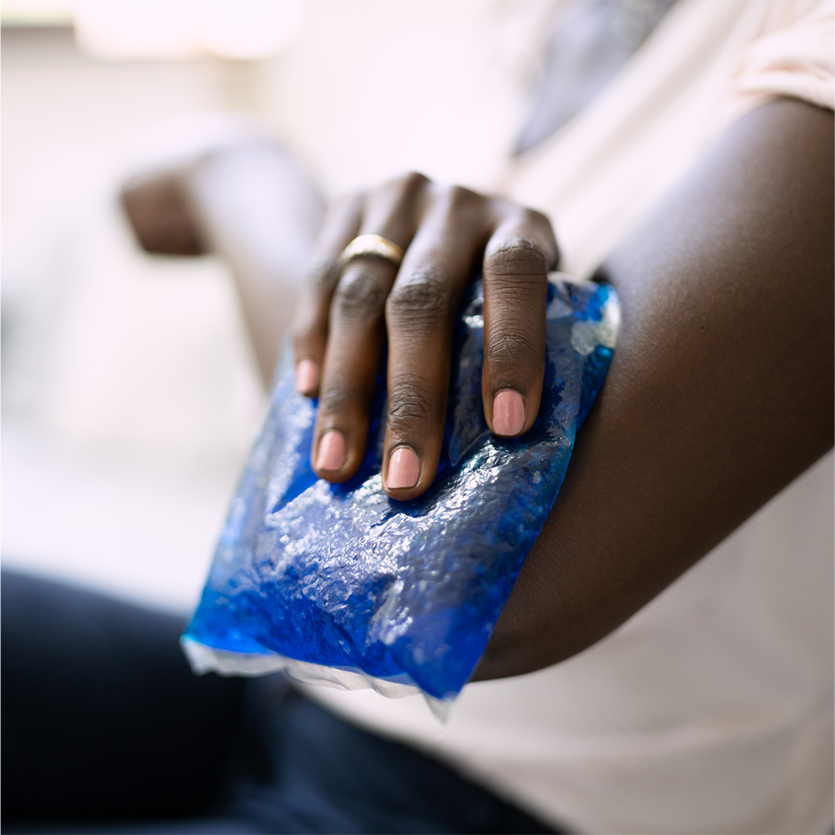
R.I.C.E., which stands for rest, ice, compression, and elevation, helps reduce swelling and speed up healing.
After a game of pickleball, it’s essential to take a break and avoid putting excessive strain on any sore or injured areas. This includes resting or putting together a cool-down routine with some of the abovementioned stretches.
If you’re feeling pain, apply ice to any sore or injured areas to reduce inflammation and relieve pain. Alternate applying the ice on and off for about 20 minutes at a time.
Wrapping the affected pain area with an elastic bandage or compression sleeve provides support and reduces swelling.
Lastly, elevating any pain area above the heart level can help reduce swelling by promoting the drainage of excess fluid.
Stay on the pickleball court with CORE Orthopedics and Sports Medicine
CORE Orthopedics is Chicagoland’s premier comprehensive orthopedic services and physical therapy for the entire family. Our team of surgeons have decades of experience in same-day surgery techniques to make sure you spend less time in the hospital and more time out on the pickleball court.
If you have any questions or want to schedule an appointment, call CORE at (847) 690-1776, or contact one of our two locations online: Elk Grove Village and Hoffman Estates.
Location Information


Surgical Affiliations

Geneva Surgical Suites
119 Elizabeth Ln., Genoa City, WI 53128
Phone: 262-295-1213
Alexian Brothers Medical Center
800 Biesterfield Rd.
Elk Grove Village, IL 60007
Phone: 847-437-5500
St. Alexius Medical Center
1555 Barrington Rd.
Hoffman Estates, IL 60169
Phone: 847-843-2000
Advocate Good Shepherd Hospital
450 West Highway 22
Barrington, IL 60010
Phone: 847-381-0123